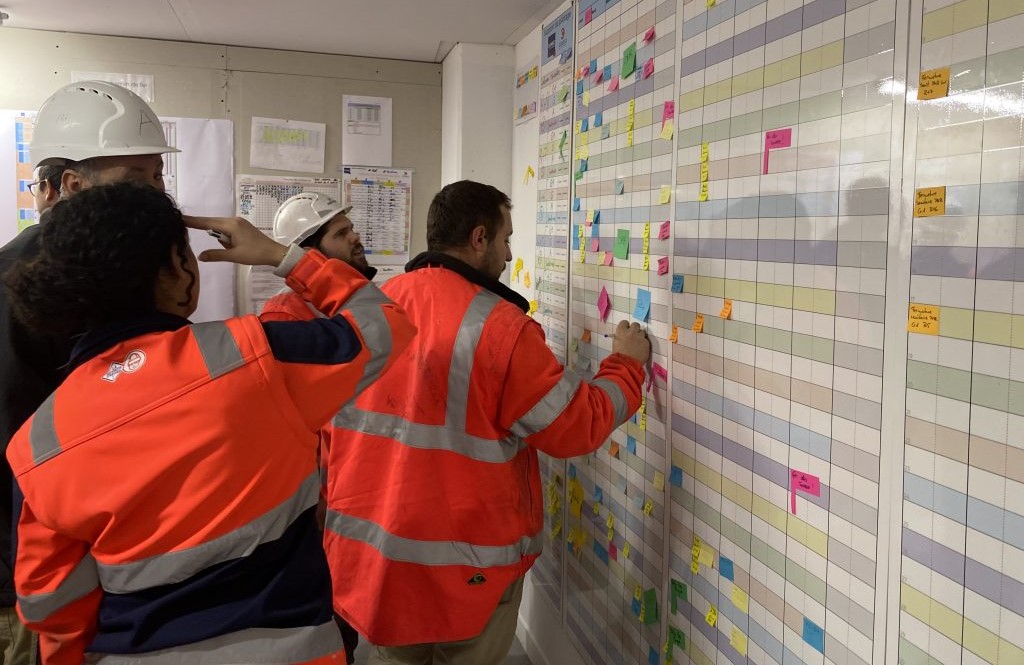
Delays in construction project delivery can lead to extra costs, financial penalties and, in some cases, compensation payments to clients.
Missed deadlines also damage a company’s reputation and can make it harder to win future contracts. Delays often have a domino effect on different trades, clients and the entire project delivery chain.
💡 Meeting deadlines builds trust and improves client satisfaction, strengthening commercial relationships and cooperation on site.
Many mistakes can delay construction. Inadequate planning is a frequent cause, whether tasks are given too little time or site constraints are overlooked. Human resource challenges, including insufficient skills or training, can also affect progress. Late deliveries, ordering mistakes and poor-quality materials add further disruption.
This article explains the common mistakes you should avoid to keep construction projects on schedule.
Mistakes in the initial planning stage
Underestimating the time required
Superficial analysis of tasks and project phases often results in seriously underestimated durations. Weather, delivery delays and other disruptions may be overlooked, throwing the overall timeline off course. Include realistic safety margins and time buffers in the schedule to absorb disruption and keep the project moving.
Poor allocation of resources
Inefficient allocation of labor, equipment and materials creates bottlenecks and delays. Failing to prioritize critical tasks is particularly risky because one late activity can hold up several subsequent phases. Schedule work around actual resource capacity, not optimistic assumptions.
Ignoring legal and regulatory constraints
Failing to account for building standards, environmental regulations or required permits can trigger major additional costs. Consequences may include fines, work stoppages or the need to redo completed work. A thorough preliminary assessment should identify legal and regulatory requirements early in the planning process.

Poor workforce management
Lack of communication and coordination
Weak or irregular communication between project stakeholders is a major cause of misunderstandings and expensive mistakes. Modern project management and scheduling tools help coordinate tasks and teams by keeping everyone informed about expectations, changes and overall progress. Without clear communication, preventable errors and delays become more likely.
Overlooking the team learning curve
Ignoring the time new team members need to settle in—or the time required to learn new technology—can severely affect progress. Include appropriate training and adaptation periods when hiring or introducing new processes. Targeted training sessions and process reviews accelerate onboarding and improve field performance.
Insufficient training and support
Worker skills are directly linked to the quality and efficiency of completed work. Undertrained teams can become a major obstacle to delivery. Provide ongoing training and regular technical support so employees can resolve problems quickly, minimize interruptions and reduce delays.
Supplier and material problems
Underestimating delivery lead times
Realistic lead-time estimates are vital to avoiding disruptions that could derail the project schedule. Supply-chain interruptions can slow progress significantly. Maintain transparent communication with suppliers and use clear contractual terms covering delivery deadlines and consequences of lateness.
Poor material quality and replacement needs
Receiving low-quality materials frequently causes extra costs and delays because replacements are needed urgently. Select reputable suppliers, inspect deliveries carefully and establish clear acceptance criteria before materials are used on the project.
Depending on a single supplier
Relying entirely on one supplier increases risk if production is delayed or the supplier fails. Diversifying supply sources can reduce exposure and improve negotiating leverage on pricing and delivery terms.
Risk management failures
Failing to anticipate bad weather
Include contingency plans for weather conditions, taking seasonal patterns and local risks into account. Adjusting working hours or protecting exposed work areas can reduce interruptions.
No contingency plans
Every critical project phase should have a backup plan so teams can respond quickly to unexpected events. Responsive project management means adapting schedules and resources as new needs emerge.
Ignoring financial risks
Underestimating financial risks, such as changing material prices or budget overruns, can have serious consequences. Maintain contingency funds and monitor spending continually to manage unexpected costs.

Weaknesses in project monitoring and adjustment
Infrequent schedule updates
Update schedules regularly to reflect actual site conditions and identify deviations as early as possible. Project management software can make tracking and stakeholder communication easier.
Resistance to change
Resistance to change can prevent a project from adapting to new challenges. Encourage flexibility and a willingness to improve within the team to overcome obstacles and maintain performance.
Inadequate progress assessment
Poor progress measurement allows delays to go unnoticed until corrections become expensive. Regularly compare actual progress with established targets and make timely adjustments to keep the project on course.
Conclusion
This article has highlighted frequent mistakes that can threaten construction deadlines. From supplier management to risk planning, each area needs careful, proactive attention.
Continuous learning and adaptability are essential in a complex, unpredictable industry. Building these qualities into project teams helps prevent mistakes, improve execution and deliver greater client satisfaction.
Get started with Toolkit.

15-day free trial