Introduction to the Last Planner System and its role in construction
What is the Last Planner System (LPS)?
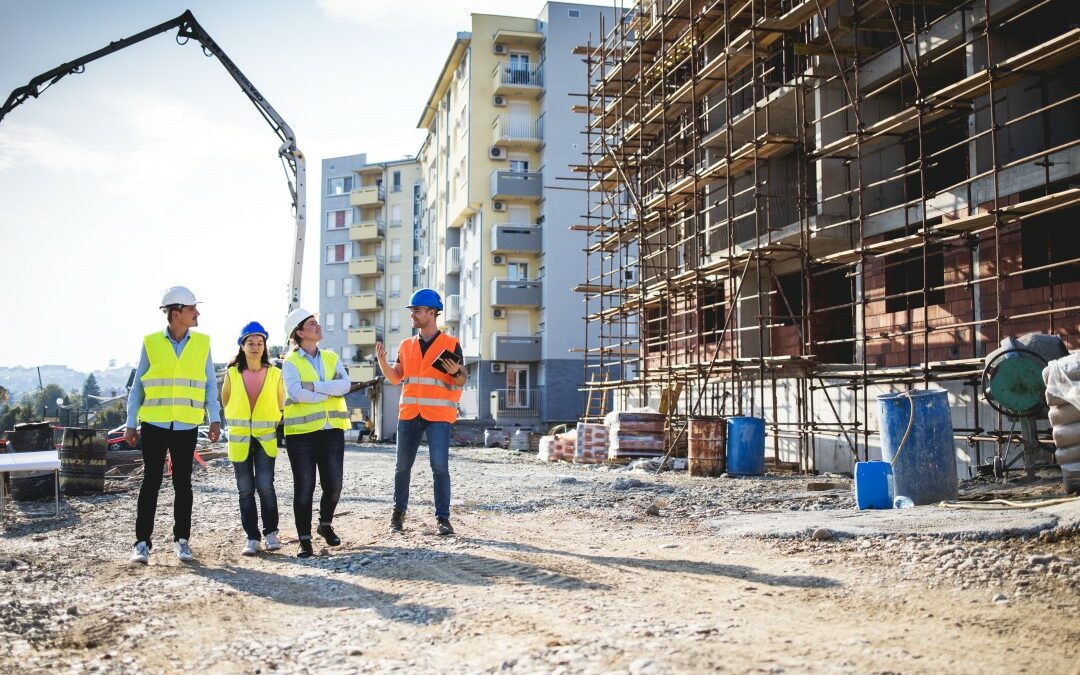
The Last Planner System (LPS) is a project planning method used to organize and manage construction site tasks. It emphasizes collaboration and efficiency. With LPS, team members understand what needs to be done and when, helping reduce errors and delays.
Why use LPS in construction preparation?
LPS brings several advantages. It improves communication, helps projects meet deadlines by identifying critical activities and supports more efficient resource use. Overall, the Last Planner System makes construction preparation smoother and more effective.
The fundamental principles of LPS
Collaborative planning
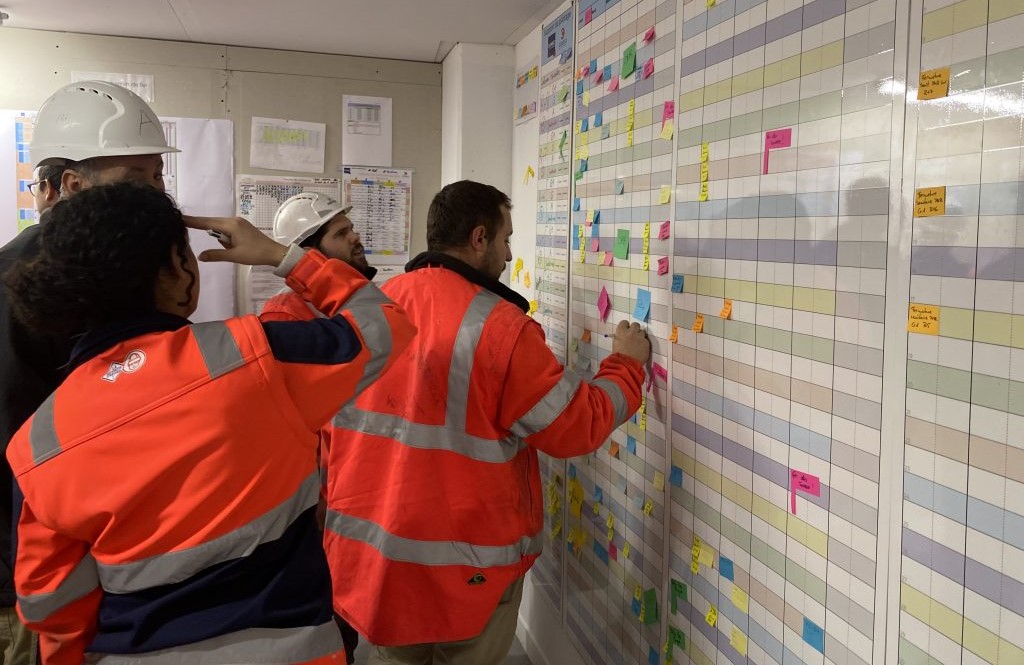
Collaboration lies at the heart of LPS. Everyone participates in planning, shares ideas and solves problems together. This approach ensures that team members understand project objectives and upcoming steps.
Continuous improvement as a guiding principle
LPS embraces continuous improvement. Each stage of a project is reviewed and optimized, while errors are analyzed to prevent them recurring. This approach helps teams improve working methods over time.
Meeting deadlines and managing resources
With LPS, meeting deadlines is a priority. Activities are scheduled to be achievable within the available time, and resources are allocated efficiently to reduce costs and waste.
Benefits of LPS for construction projects
Improved communication and coordination
LPS strengthens on-site communication. Regular meetings help all team members stay aligned, discuss progress and resolve problems. This reduces misunderstandings and delays.
Less waste and better cost control
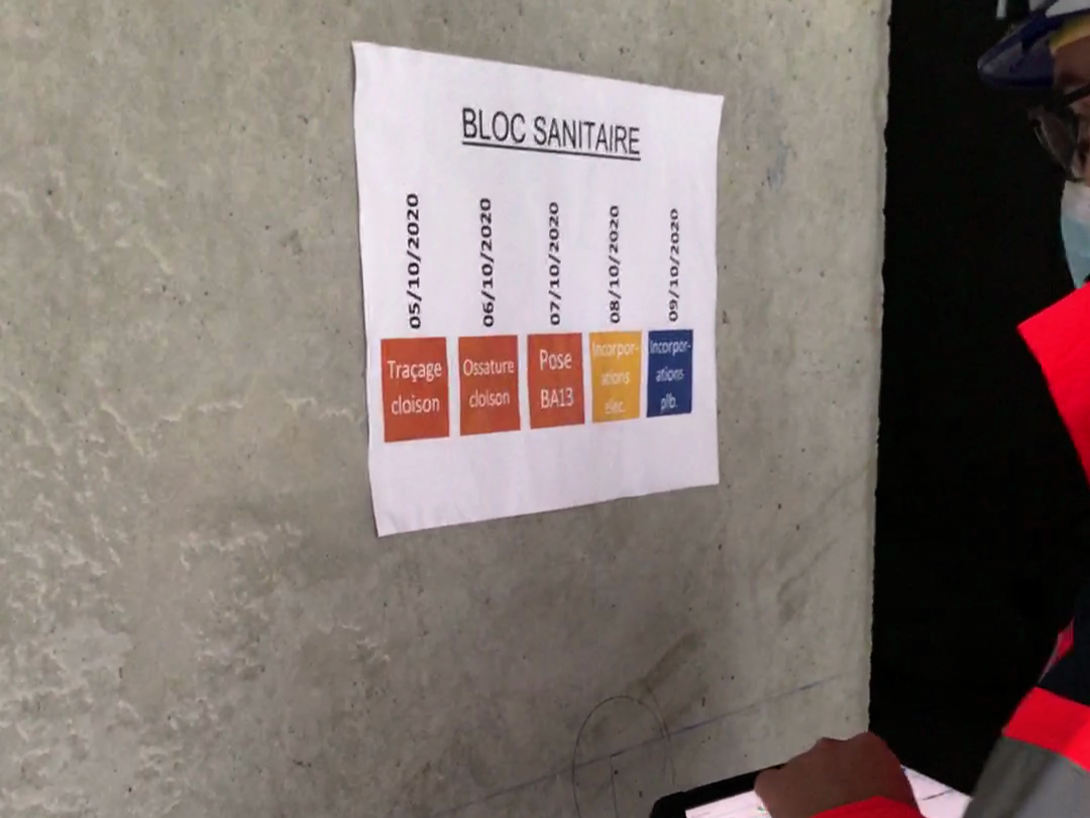
LPS reduces waste by planning activities around efficient resource use. This means fewer wasted materials and less lost time, ultimately helping to lower project costs.
Flexibility and adaptability in project management
LPS makes projects more flexible. When a problem arises, the team can adjust the schedule quickly. Such adaptability is especially important in construction, where unexpected situations are common.
Case studies and lessons learned
Residential project using LPS
A residential construction project successfully applied LPS. The method helped the team meet deadlines, control costs and maintain workmanship quality, leading to positive outcomes for residents.
Commercial project and the benefits of LPS
On a commercial project, LPS improved team coordination. Critical tasks were identified and completed on time, and resources were managed efficiently, reducing costs. The outcome exceeded client expectations.
Lessons learned and best practices
Project experience shows that communication is key to successful LPS implementation. Involving the whole team from the outset, remaining flexible and adapting to unexpected events are crucial. Regular meetings and continuous process reviews are among the best practices.
Challenges and limitations of LPS
Adopting LPS in traditional construction companies
Introducing LPS can be difficult for traditionally organized companies because it requires changes in culture and working methods. Some employees may resist, making training and hands-on support especially important.
Technical limitations and team training
LPS may also face technical constraints. Project management software needs to fit the approach, and teams require training in the relevant tools. Without appropriate training, the full benefits are difficult to achieve.
The future of LPS in construction
Technological innovation and its impact on LPS
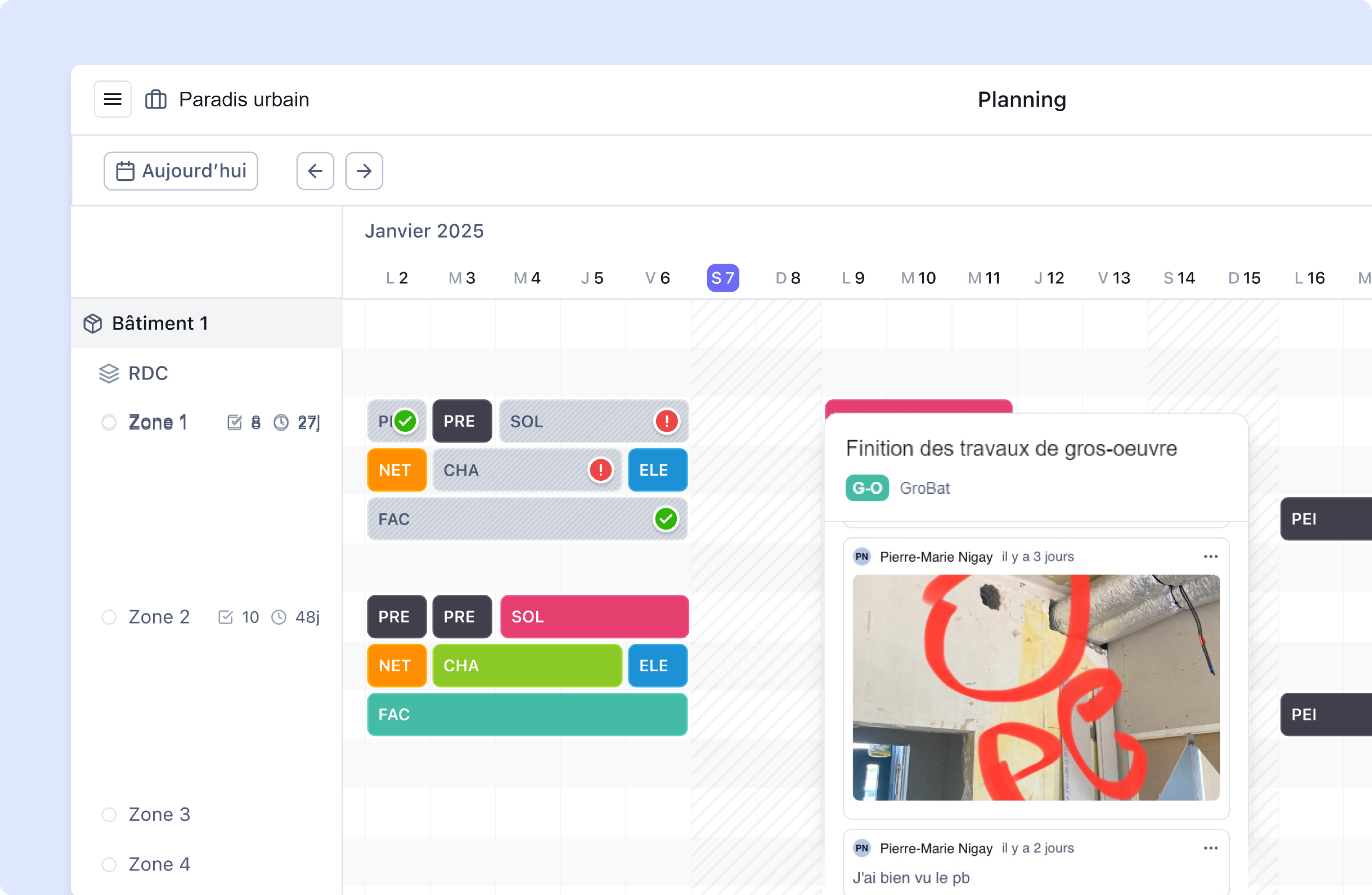
Technology continues to improve LPS. More intuitive and capable software, along with real-time monitoring tools, makes construction project management more effective.
Integrating LPS with other agile methods
LPS can complement other agile approaches such as Scrum and Kanban. Combining methods can further improve project management by drawing on the strengths of each approach.
Conclusion
Summary of key points
The Last Planner System is a valuable construction planning method. It improves communication, helps reduce costs and makes projects more adaptable. Practical examples illustrate its potential benefits.
The importance of a collaborative construction culture
A collaborative culture is essential to getting the most from LPS. Involving the team and encouraging open communication helps construction projects achieve higher levels of efficiency and quality.
Get started with Toolkit.

15-day free trial