Introduction
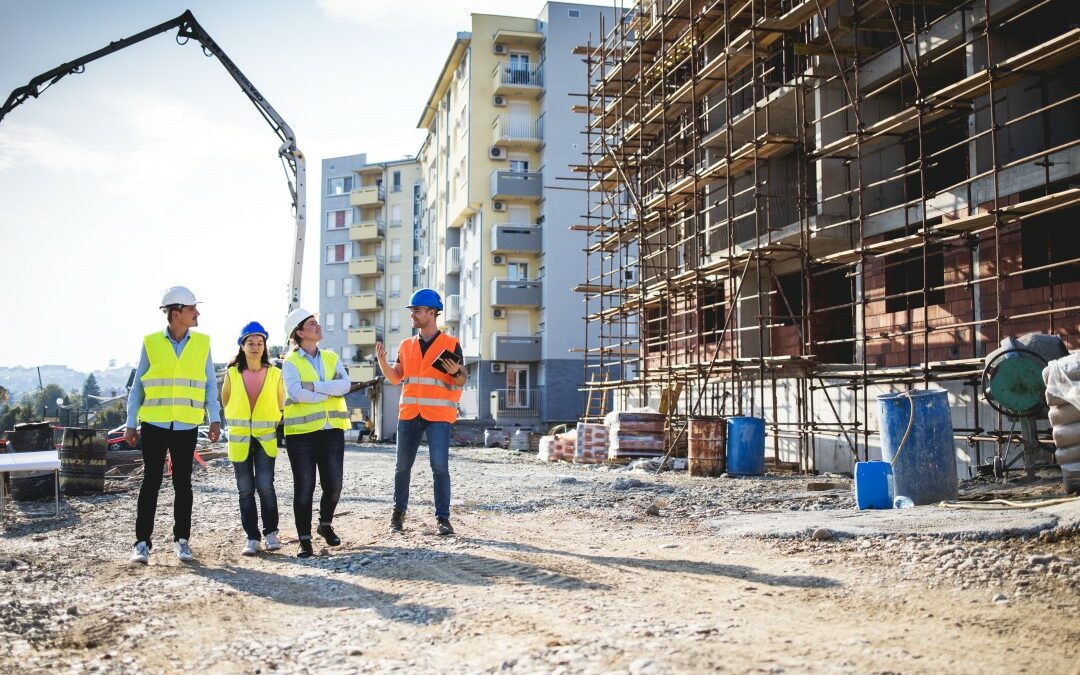
In construction, communication is essential to project success. Many stakeholders work on site, including clients, architects, engineers, subcontractors and tradespeople. Each plays a crucial role in project progress, and good communication between them is vital for managing time, cost, quality and safety.
This article explores practical methods and tools for improving communication on construction sites and creating better collaboration.
1. Understand construction communication challenges
Several factors can make communication difficult in the construction industry:
- Project complexity
- Diverse teams
- Sometimes challenging working conditions
Poor communication can have serious consequences, including delays, cost overruns, accidents and frustration among team members. Recognizing these challenges is essential to addressing them.
2. Establish clear communication channels
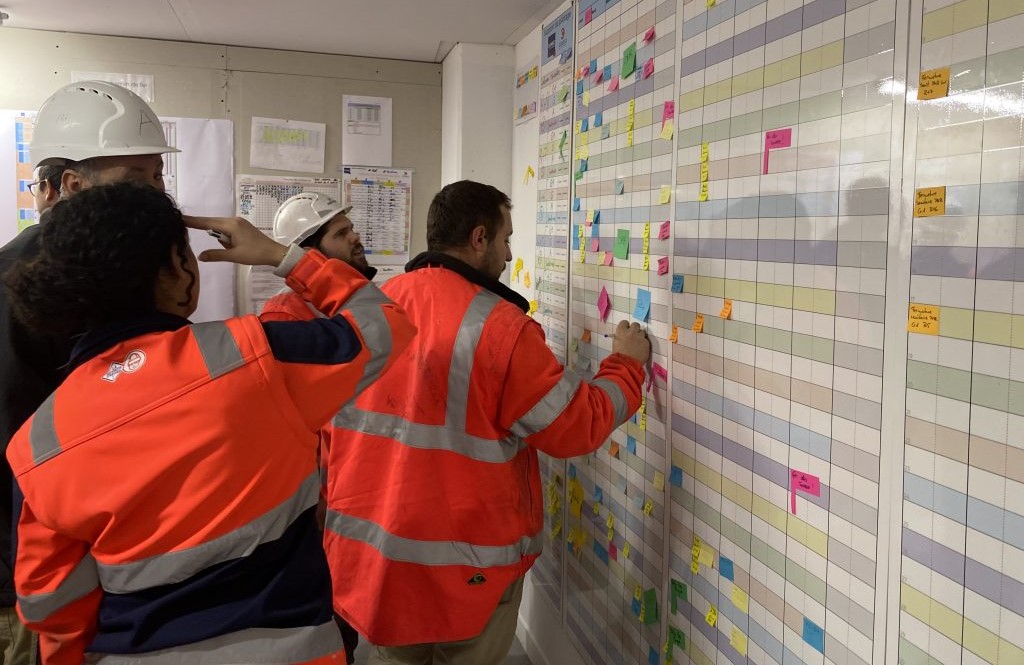
Effective communication channels should be established at the very start of a project. Defining communication methods, key contacts and individual responsibilities helps prevent misunderstandings. Regular meetings, both on and off site, ensure ongoing monitoring and provide opportunities to discuss progress and changes.
3. Use technology to remove communication barriers
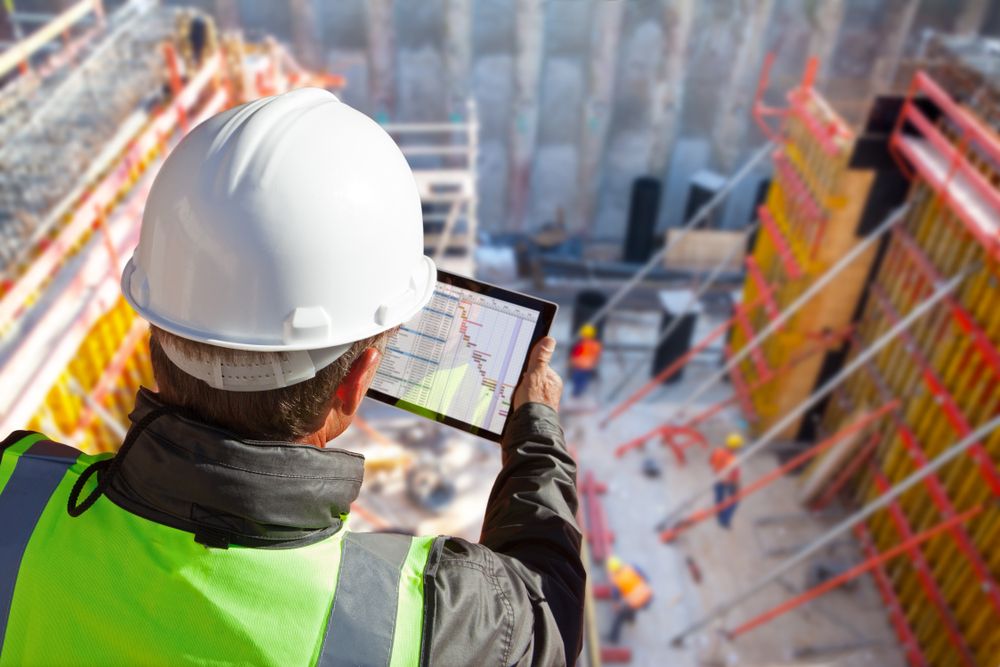
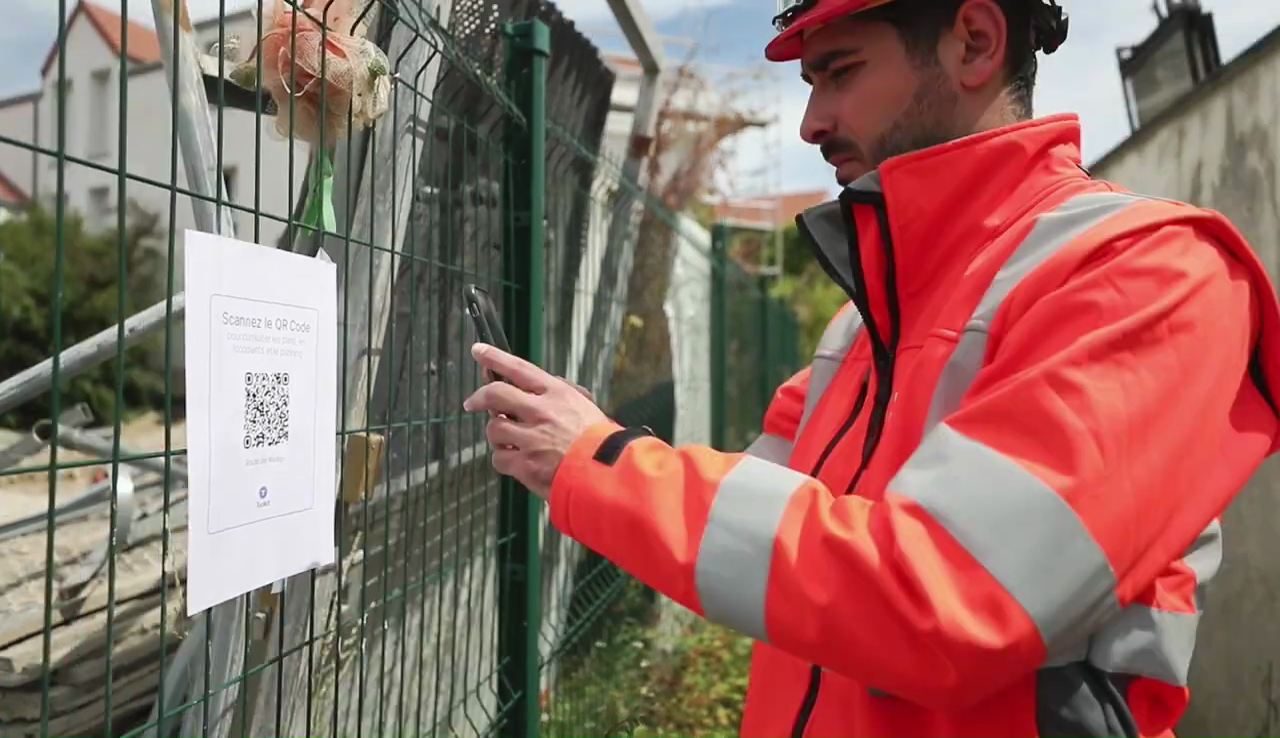
Technology plays an increasingly important role in construction site communication. Tools such as Toolkit centralize information, provide real-time access to documents and reduce communication errors.
Dedicated construction mobile applications also make instant exchanges and sharing essential information easier for everyone involved.

Solutions such as Toolkit can help teams:
- Plan and organize construction projects more effectively.
- Collaborate and communicate more easily with stakeholders.
- Manage documents securely and systematically.
- Improve productivity by automating administrative tasks and simplifying information sharing.
4. Train teams and develop communication skills
Ongoing communication training is a worthwhile investment. Sessions on interpersonal communication, conflict management and leadership help strengthen collaboration. These skills make exchanges more effective while fostering a more positive and productive working environment.
5. Maintain documentation and traceability
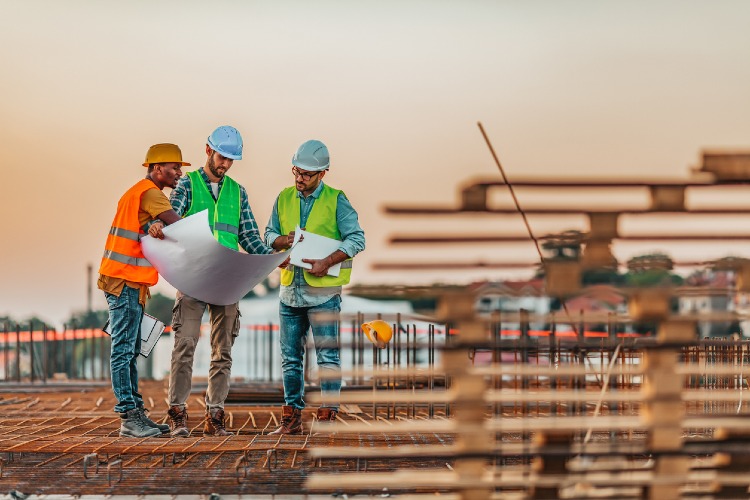
Good document management is essential to clear communication. Every important project development, from drawing revisions to key decisions, should be documented and accessible to the relevant parties. This traceability ensures that everyone uses the same information and can follow project progress transparently.

6. Manage conflicts constructively
Conflicts are inevitable on complex projects. Addressing them proactively through communication is essential. Establishing mediation and dispute-resolution processes helps resolve disagreements constructively before they negatively affect the project.
7. Use visual communication on site
Visual signs, zone markers and safety notices are important forms of nonverbal communication on construction sites. They communicate essential information quickly, reduce accident risks and improve coordination between activities.
8. Encourage regular feedback
Creating a feedback system that lets workers share opinions or report problems in real time is another effective approach. Short debriefings at the end of each day or week can cover progress and difficulties. This feedback helps teams adjust processes and improve both communication and overall efficiency.
Conclusion
Improving communication on construction sites is fundamental to project success. Clear communication practices, modern technology and a culture of transparency and respect help teams meet industry challenges. Ultimately, effective communication contributes to projects delivered on time, within budget and in compliance with quality and safety requirements.
Get started with Toolkit.

15-day free trial