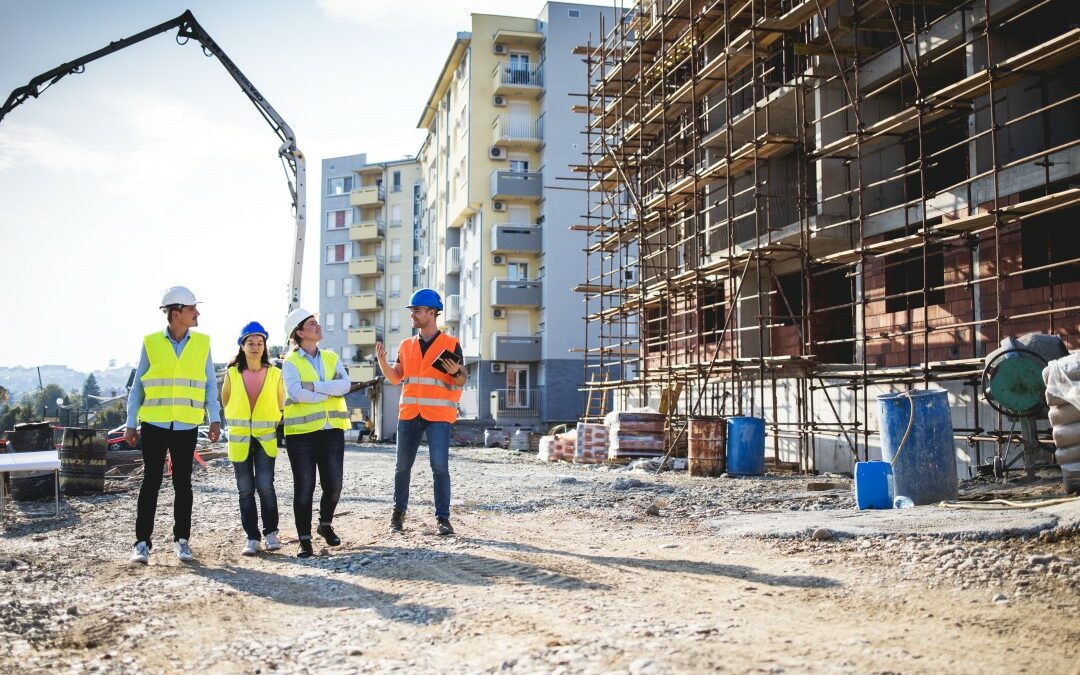
Construction site monitoring plays a decisive role in meeting deadlines, controlling costs and delivering quality work. Without careful oversight, projects can quickly slip behind schedule or exceed their budgets. Misunderstandings between stakeholders and on-site safety issues add further challenges. Effective monitoring therefore depends on choosing the right tools and methods.
This article explores the practices and technologies that can give teams greater visibility into progress and make construction projects easier to manage.
By comparing traditional and modern approaches, we aim to give construction professionals the knowledge they need to master this essential discipline.
The fundamentals of construction site monitoring
Construction site monitoring involves coordinating and controlling every phase of a project, from initial design to final handover. Its purpose is to ensure that work follows the agreed schedule, budget and quality requirements. Key responsibilities include resource management, daily site inspections and regular communication with all stakeholders.
Resource management covers the planning of materials, equipment and people needed to meet project deadlines. Logistics are particularly important: a late material delivery can delay many subsequent tasks. Day-to-day monitoring helps teams identify problems early and resolve them before they seriously affect the schedule or budget.
Clear communication also keeps everyone informed of progress and changes. This includes field teams, investors, clients and other stakeholders who influence or are affected by the project. Regular reports and coordination meetings create the transparency and responsiveness needed for successful project delivery.

Construction site monitoring methods
Accurately tracking progress
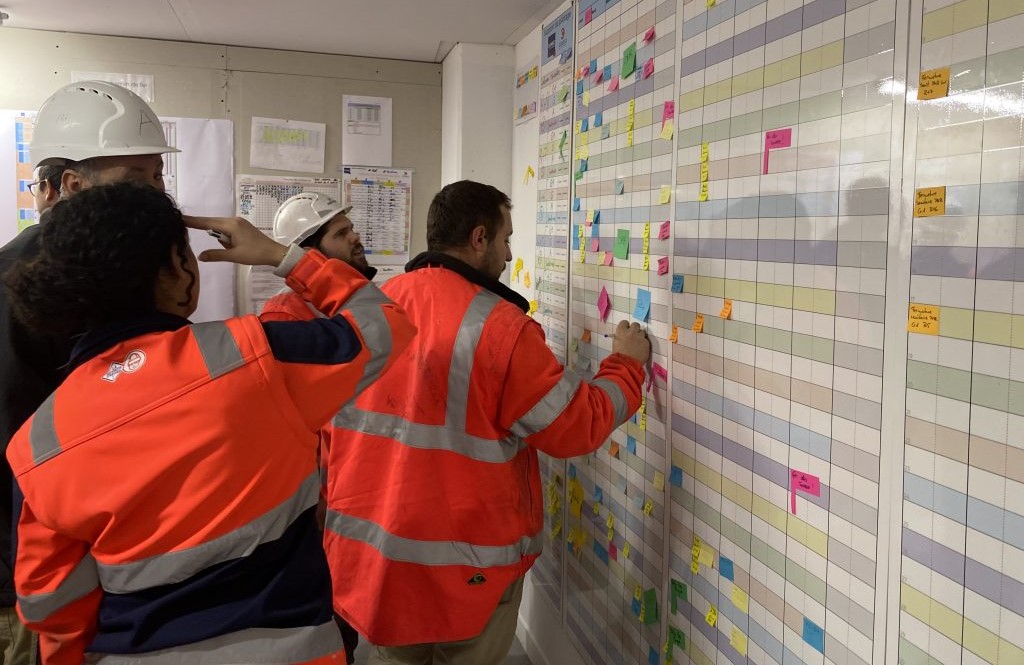
Traditionally, tools such as Microsoft Excel have been widely used for schedules and cost tracking. Although these manual tools are straightforward, they require constant attention and manual updates. This increases the risk of errors and makes them less effective as projects become more complex.
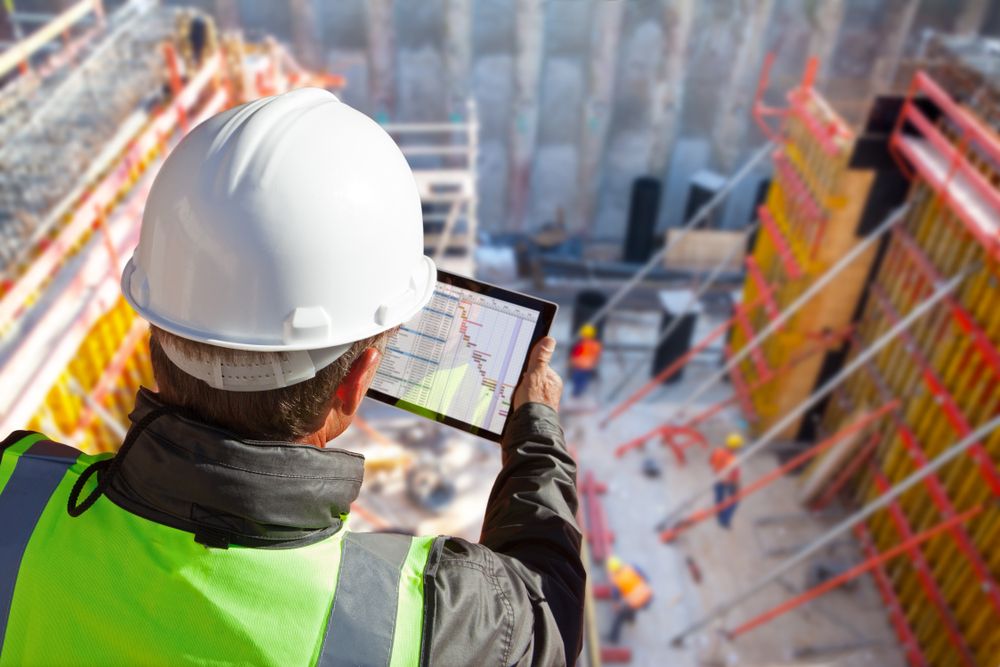
Automated approaches provide greater efficiency and accuracy. Modern construction project management software goes beyond recording information to support real-time resource management, scheduling and schedule updates. By reducing human error and repetitive work, these tools allow teams to focus on more strategic decisions.
The secret to successful site monitoring is proactive planning combined with the ability to respond quickly to unexpected events. Potential risks should be identified and mitigation strategies prepared in advance. Because construction sites change constantly, teams must also be able to adapt. Real-time information enables faster, better-informed decisions and helps keep the project on track.
Advanced technologies for construction site monitoring
Project management software, mobile applications and drones have become valuable tools for modern construction managers. They support wider monitoring and better coordination, offering a comprehensive view of what is happening on site.
Solutions such as Toolkit streamline site monitoring by centralizing information and communication. Teams can track construction progress, manage budgets and monitor compliance with safety requirements from one platform. These systems improve accuracy and speed while making project management more agile.
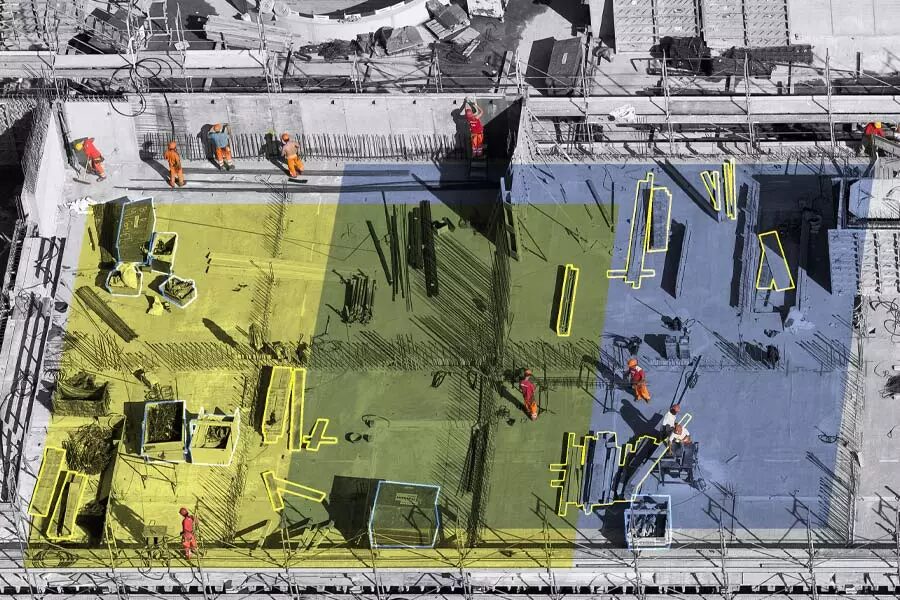
The practical applications are extensive. Drones can capture aerial views of a site and provide visual progress updates, helping identify areas requiring attention. Connected IoT sensors can monitor conditions such as temperature and humidity, which affect materials and working conditions. Together, these technologies help project managers anticipate problems and respond appropriately before they escalate.
Communication and collaboration
Effective communication is the foundation of successful construction site monitoring. Even the most detailed plan can fail when information is missed or misunderstood. Teams need tools that keep everyone informed and involved. Collaboration platforms such as Slack and Microsoft Teams, alongside instant messaging applications, support fast, documented discussions, prompt issue resolution and effective task coordination.
One example of the benefits of better communication comes from a construction project where integrating a collaborative platform reportedly reduced delivery delays by 30%. Information flowed more smoothly between suppliers, subcontractors and management, helping synchronize project activities and respect deadlines.

Conclusion
This article has outlined essential strategies and tools for effective construction site monitoring. Moving from traditional approaches to modern technology demonstrates the importance of advanced tools and clear communication. Project managers should select the methods and solutions best suited to their projects so they can monitor progress proactively.
Construction professionals should regularly assess and improve the way they monitor site operations. Explore the technologies and strategies discussed here and consider how they could fit into your projects. Further training and specialist resources can also help. Modernizing your monitoring practices is an important step toward delivering successful construction projects.
Get started with Toolkit.

15-day free trial