Construction projects are naturally exposed to unexpected events, whether related to weather, technology, logistics or people. The ability to anticipate and manage such disruptions has a major impact on deadlines, costs and overall project quality.
This article looks at practical tools and methods for improving construction site monitoring and reducing the impact of unforeseen problems.
Understanding the types of unexpected events on construction sites
Categories of unexpected events
Unexpected events in construction can generally be grouped into four categories: weather-related, technical, logistical and human.
Weather incidents include extreme conditions that temporarily stop site operations. Technical problems may result from equipment failures or difficulties implementing complex designs. Logistical disruptions often involve late deliveries or incorrect materials. Human factors include mistakes made during construction and workplace accidents.
Identifying and understanding these categories makes it easier to prepare effective management strategies.
How unexpected events affect projects
The impact of unforeseen events can be significant. They may delay work, substantially increase costs and compromise worker safety if not handled correctly. Effective construction site monitoring therefore requires ongoing risk assessment and rapid, coordinated action. Managing disruptions is not just about solving problems: it also means preventing them through careful planning and suitable technology.
Tools and methods for anticipating disruptions
Preventive planning and analysis
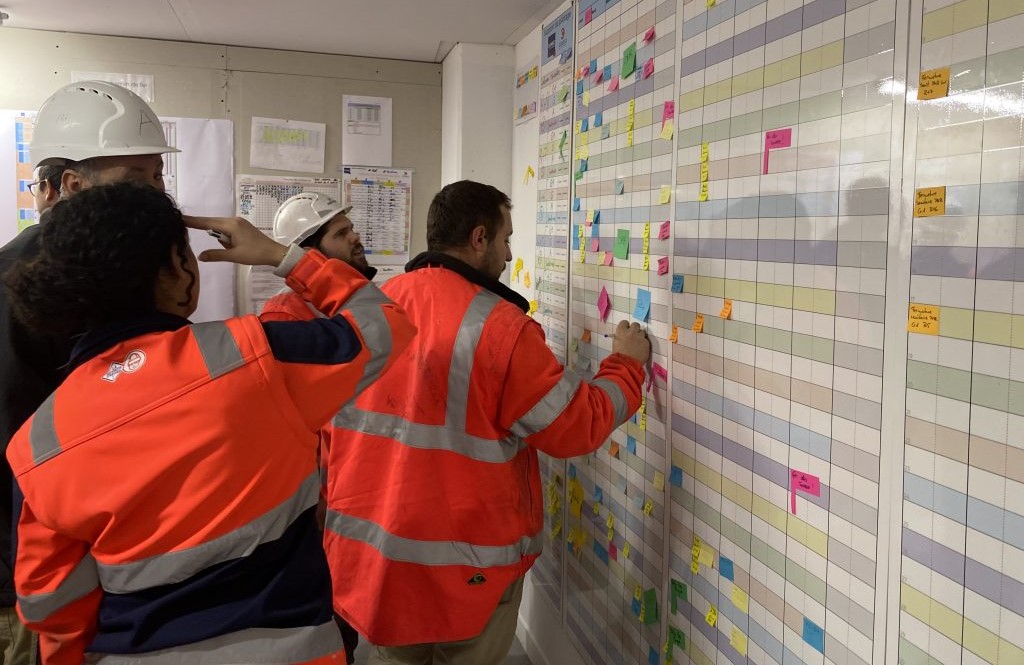
Detailed planning is essential to limiting the impact of unexpected events. Project management tools such as Gantt charts and PERT diagrams help managers visualize project phases and identify critical points where problems could arise. They also make it possible to test different scenarios and assess how changes might affect the overall project. By anticipating issues, teams can develop ways to reduce their impact or prevent them altogether.

Managing disruptions effectively with technology
Project management software
Project management software is essential for effective site monitoring. Specialist solutions such as Autodesk BIM 360 and Toolkit offer useful features for tracking construction projects. They can automate updates, alert teams to deviations from the original plan, support real-time resource reassignment and provide a record of actions for evaluating project performance.
Project management software
Real-time communication and collaboration between stakeholders are crucial when managing unexpected events. Platforms such as Microsoft Teams and Asana support immediate communication and may include project management functionality. They keep everyone up to date and enable plans to be adapted quickly as new information emerges. The result is a faster, more coordinated response with fewer delays and additional costs.

Practical examples and case studies
Examples of successful tool adoption
Real-world situations demonstrate how site monitoring tools can help manage disruptions. On one major construction project, project management software enabled activities to be rescheduled quickly after an unexpected delay in the delivery of essential materials. The flexibility and accessibility of the tools supported a rapid response and limited the effect on the overall schedule.

Conclusion
A proactive approach to construction site monitoring, supported by modern tools and methods, is essential for minimizing disruptions. When effectively integrated, these technologies and strategies improve predictability and give teams better control over costs.
Construction professionals should continue exploring and integrating these tools into everyday site operations. Investing in training and innovative technology helps companies remain competitive in a rapidly changing industry. Improving monitoring methods together contributes to the success and long-term sustainability of construction projects.
Get started with Toolkit.

15-day free trial