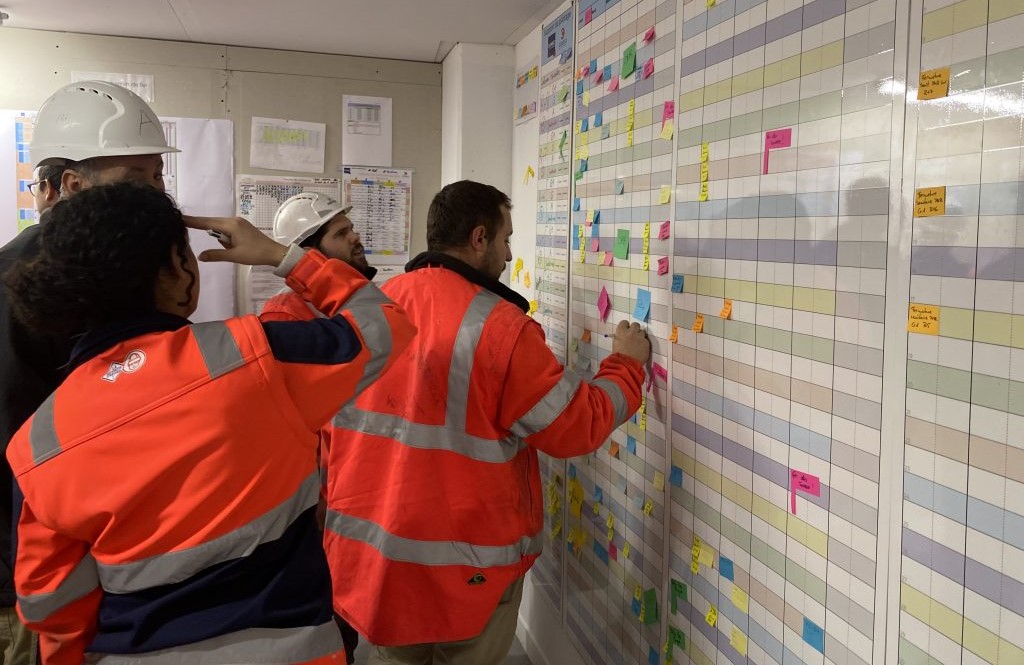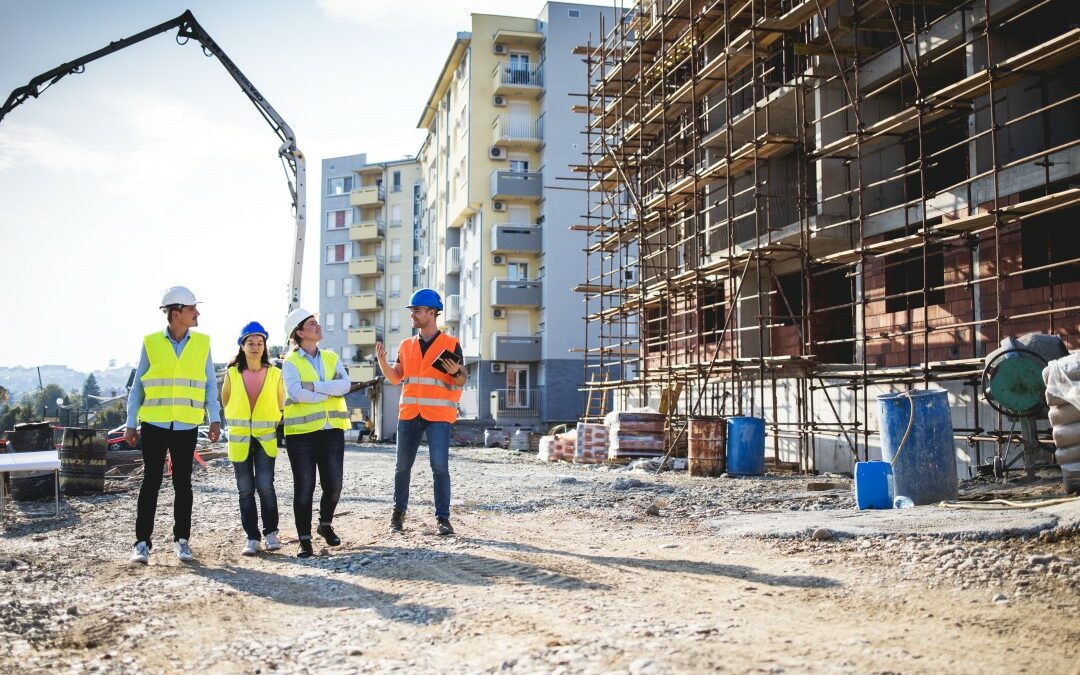
Today I would like to share the essential principles behind a construction schedule that is not only effective but capable of transforming the way you deliver projects.
In construction, planning is like laying a building’s foundations: it is indispensable to stability and long-term success.
What does that mean in practice? Planning gives teams confidence, helps them anticipate rather than react, and makes it easier to adapt to unforeseen events while using resources efficiently.
Why planning matters in construction projects
Planning affects every project phase, from the first concept drawings to the final handover.
Careful planning improves the chances of success. Poor preparation, by contrast, can result in delays, budget overruns and even safety issues. Scheduling is therefore much more than logistics: it is a strategy for managing resources, meeting deadlines and satisfying clients. Although demanding, it is an essential discipline.
The benefits of a well-structured construction schedule
A well-structured schedule brings clear benefits, including better productivity, more efficient resource allocation and lower costs. It also helps prevent conflicts and strengthens communication between stakeholders. An accurate yet adaptable schedule is one of the best defenses against the unexpected changes that occur during construction.
In this guide, I will walk you through five essential steps for creating a construction schedule that meets the needs of your projects.
Follow along and discover how to build stronger projects, one step at a time.
Step 1: Define objectives and deliverables
The first step toward an effective construction schedule is to establish a solid foundation: clearly defined objectives and deliverables.
As with a building, weak foundations create risks for everything that follows. Before scheduling tasks, clarify what the project must achieve, what must be delivered and how success will be measured.
Identify project expectations
Identifying project expectations is the first milestone. Communication is essential: listen to the client and document their requirements as clear specifications, measurable objectives and well-defined milestones. This is also the point at which expectations between stakeholders must be aligned.
Project management software can help monitor objectives and deliverables so that nothing important is left to chance.
The importance of stakeholder alignment
Stakeholder alignment should never be underestimated. Identify everyone involved—clients, suppliers, subcontractors, local authorities and others—and understand their roles. Keeping them informed and aligned on objectives and deliverables is demanding but essential. It prevents misunderstandings, delays and additional costs while improving overall project efficiency.
💡 Just as a building cannot be constructed without solid foundations, a construction project cannot succeed without clearly defined objectives and deliverables shared by every stakeholder. This is how teams deliver work that meets the client’s expectations.

Step 2: Build the overall project timeline
The second step is developing an overall project timeline. This requires rigor as well as flexibility. Construction managers should create schedules that are realistic yet adaptable to unexpected conditions.
This stage connects the big-picture program to the detailed plans for each phase of construction.
Identify and sequence tasks
List every task required to complete the project, from design and approvals to construction and closeout. Gantt charts, the critical path method and tools such as Toolkit help put these activities in a logical order while accounting for dependencies. Clear milestones are equally important for marking progress and supporting site monitoring.
Account for constraints and resources
Include project constraints from the beginning to avoid unpleasant surprises. Estimate the resources available and allocate them appropriately across phases. Adding reasonable buffers for unexpected events can help keep the project on course when reality differs from the initial plan.
💡 Building the overall schedule is like designing a complex building: every element must fit with the others while allowing enough flexibility to accommodate change. With the right methods, the schedule becomes a reliable backbone for the entire project.

Step 3: Plan in detail and allocate resources
The third stage is detailed scheduling and careful resource allocation. Even a well-prepared site will struggle to achieve its objectives without precise coordination of people, equipment and activities.
Efficient resource allocation is essential to meeting deadlines and staying within the agreed budget. Every task needs to be assigned deliberately and accurately.
Define teams and responsibilities
Start with a clear team structure so that everyone understands their responsibilities. Internal communication is especially important to ensure those responsibilities are not only understood but genuinely accepted.
Anticipate risks and take preventive measures
No construction project is immune to unforeseen events. Late deliveries, rising material costs and adverse weather should all be assessed for likelihood and impact. Prepare contingency plans and update risk assessments regularly as conditions evolve. This makes the schedule more responsive and helps the team remain resilient.
💡 Detailed planning and resource allocation are not one-off tasks. They reflect an ongoing commitment to project success. Construction managers must guide collective efforts through challenges, adjusting the plan carefully while maintaining a clear focus on shared objectives.
Step 4: Integrate subcontractors and suppliers
Step four addresses a decisive factor in construction scheduling: involving subcontractors and suppliers. Choosing partners who share the project’s expectations for quality and reliability is essential to smooth operations. Early integration improves coordination, prevents delays and protects workmanship.
Select and coordinate subcontractors
Choose subcontractors using clear criteria such as experience, reputation, ability to meet deadlines and price. Check references and certifications where appropriate. Maintain strong communication through regular meetings, tools such as Toolkit and effective progress reporting.
💡 Successfully integrating subcontractors and suppliers is a vital link in the chain of project delivery. Construction managers must ensure that coordination is not only established but works efficiently throughout the project.
Step 5: Monitor progress, update and communicate the schedule
The fifth and final stage is monitoring work, updating the schedule and sharing changes. It is this ongoing process that keeps the project on track despite the disruption that can arise during construction.
Rigorous tracking helps teams identify and solve problems quickly before delays spread through the entire project.
Methods for monitoring and adjusting the schedule
Modern project management software, real-time dashboards and regular progress meetings all help managers maintain a clear picture of work on site.
Flexibility is essential. The schedule must reflect changes in priorities and unexpected circumstances. Anticipating delays, reallocating resources and revising deadlines reduce disruption. Feedback from field teams makes the schedule more accurate because it reflects the realities of construction.

The importance of continuous communication
Communication connects every part of the project. Regular meetings and online collaboration platforms keep everyone informed about progress, difficulties and schedule changes. Clear, concise and constructive updates reduce mistakes and misunderstandings. Feedback and project reviews also provide opportunities to improve planning and execution over time.

Conclusion
These five steps show that successful construction delivery depends on rigorous planning and careful execution. From defining objectives to communicating schedule updates, every stage helps move the project toward completion.
The process calls for discipline as well as continuous adaptation to unexpected events, reinforcing the need for proactive management and open communication between stakeholders.
Applying these principles consistently is essential, not optional. Doing so helps teams meet—and potentially exceed—their targets for quality, safety and client satisfaction. Better construction projects begin with better planning and coordinated effort.
Get started with Toolkit.

15-day free trial