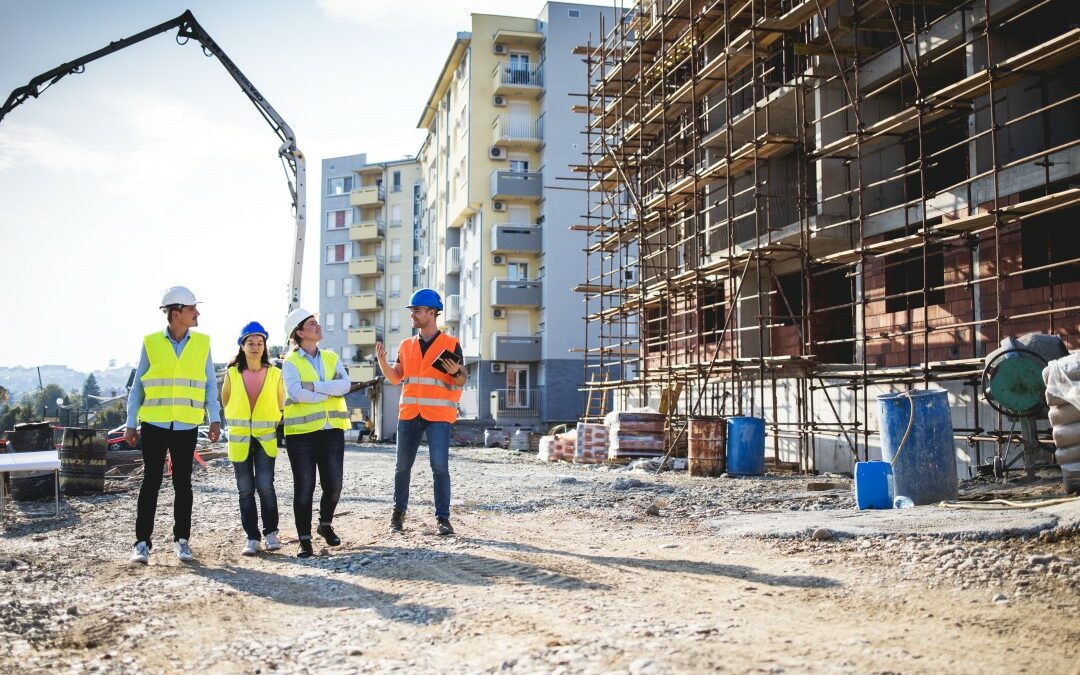
Subcontractors play a crucial role in construction projects, often taking responsibility for specialized work. Their involvement is essential to overall project success. However, integrating them into site monitoring creates challenges related to coordination, communication and quality control. These challenges need careful attention so that everyone works consistently toward shared objectives.
This article examines the roles, responsibilities and practical strategies that help subcontractors participate more effectively in site monitoring, improving productivity and workmanship.
Understanding the role of subcontractors
Definition and responsibilities
Subcontractors are companies or individuals hired to carry out specific parts of a construction project. Their specialized work may include electrical installations, plumbing, masonry or finishes. They bring expertise and skills that the main contractor or project team may not have internally. They are responsible for delivering quality work on time and within the agreed budget, while complying with applicable safety standards and regulations.
The benefits of effective collaboration
Strong collaboration with subcontractors brings several advantages. It helps integrate different trades, improving quality and efficiency. Good subcontractor management also reduces costs by eliminating wasted effort and limiting delays. Projects that successfully involve subcontractors are better positioned to meet deadlines and budgets and satisfy the end client.
Strategies for better subcontractor integration
Transparent communication
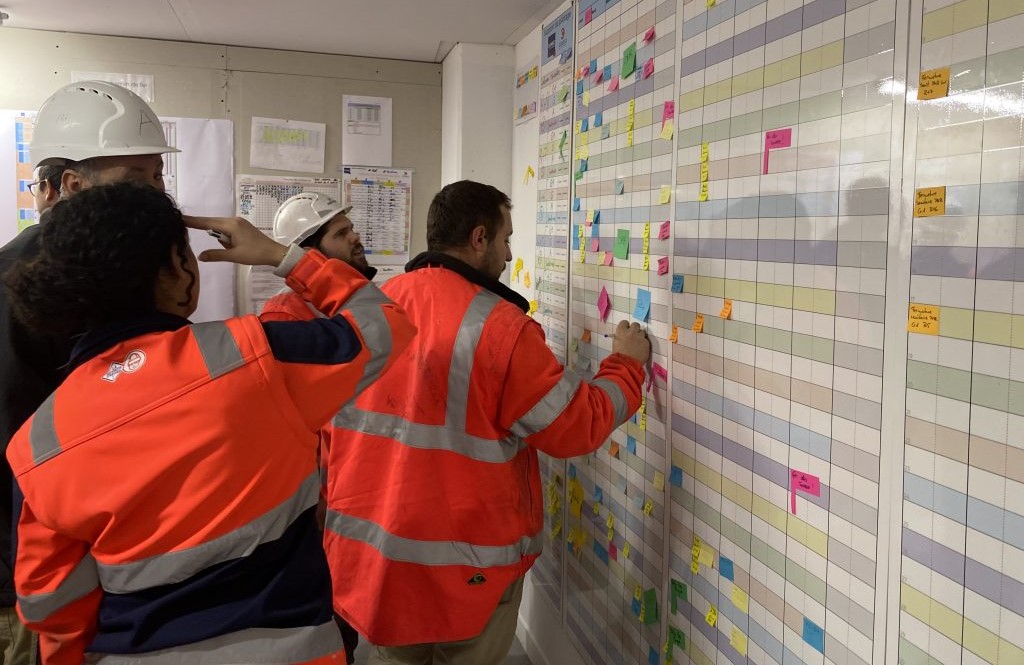
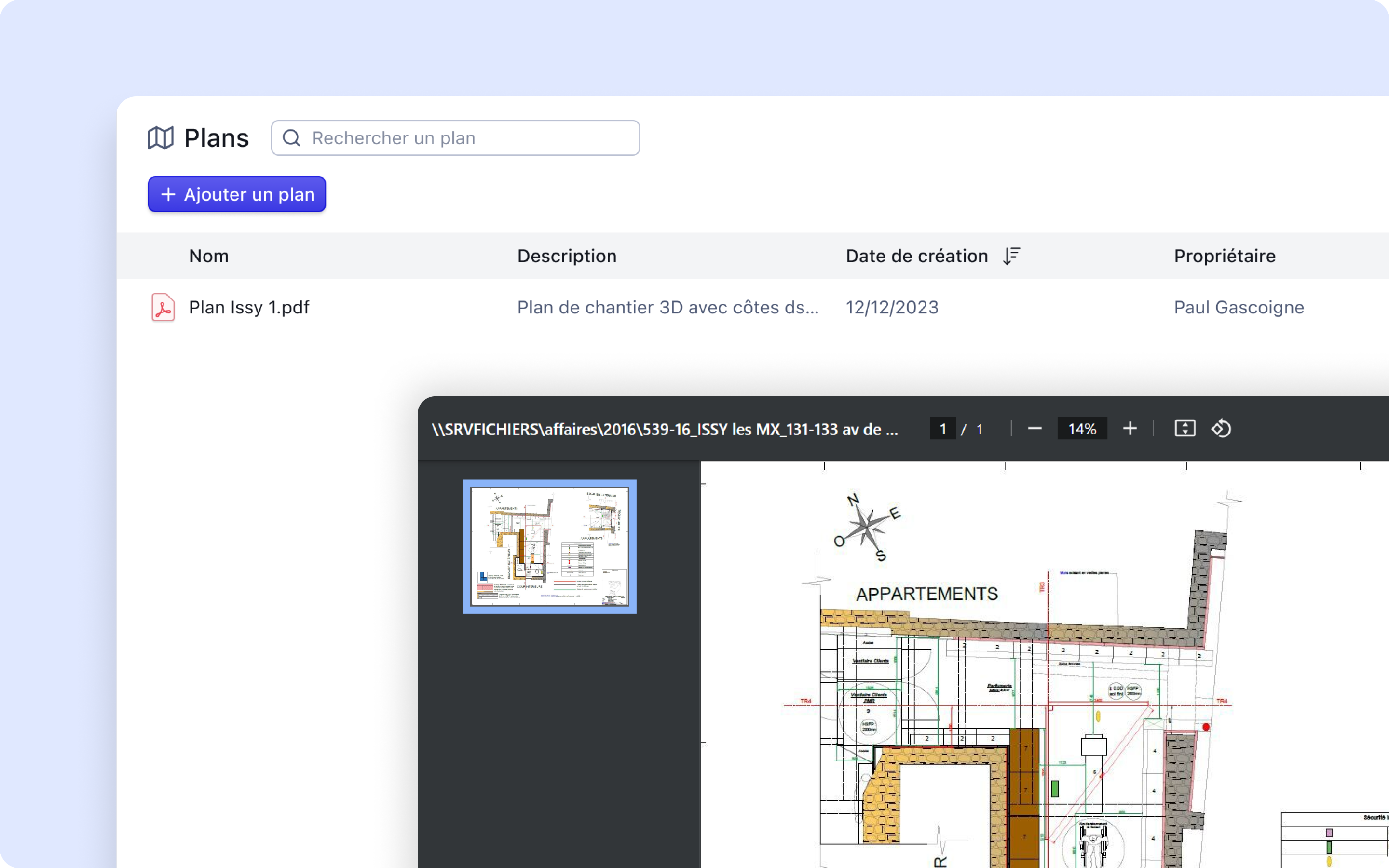
Transparent, continuous communication is central to involving subcontractors. Relevant information must circulate freely between the project management team and subcontractors. Regular meetings, progress reports and project management tools keep everyone informed about expectations, modifications and project needs. Construction management software can also provide a shared platform for documents and communication.
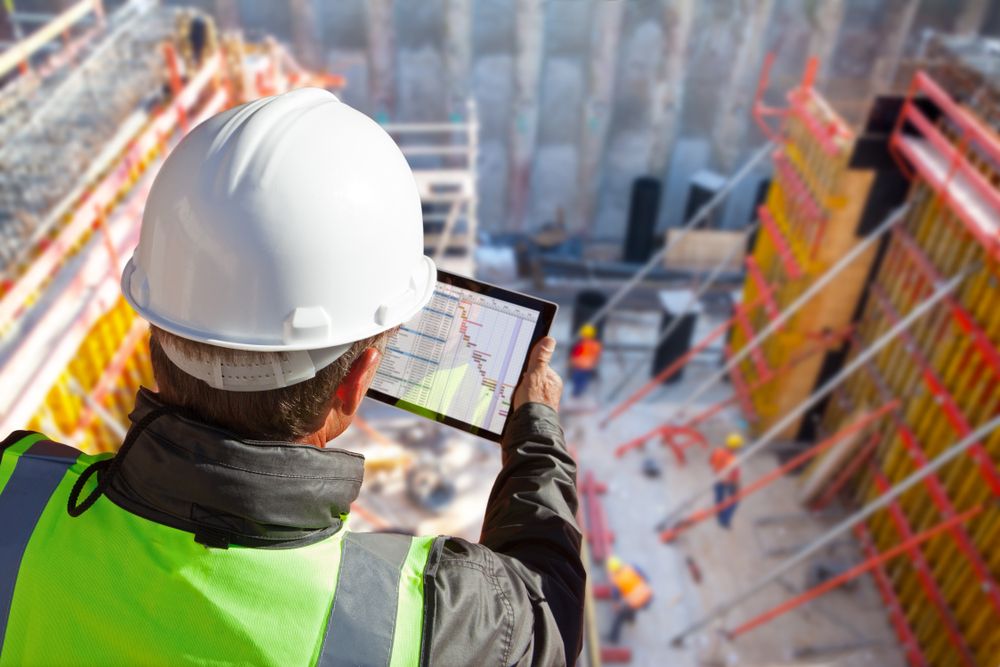
These digital tools make it possible to share drawings, specifications and changes in real time, reducing the risk of misunderstandings and errors.
Training for better collaboration
For effective integration, subcontractors need to understand project procedures and standards. Training should cover the project’s expectations as well as the technologies and tools used for site monitoring. Giving subcontractors appropriate autonomy in managing their own tasks can also strengthen their commitment and motivation, encouraging useful initiatives aligned with the project objectives.
Feedback and evaluation mechanisms
Introducing feedback systems
A structured feedback process ensures subcontractors understand their performance and participate in continuous improvement. Begin with regular assessments based on objective, measurable criteria communicated at the start of the project. Feedback should be planned and constructive, leaving room for adjustments. Specialist software can help gather and analyze performance information so discussions focus on facts rather than perceptions.
Evaluating subcontractor performance
Performance assessments should use clearly defined criteria such as workmanship, schedule adherence, budget compliance, communication and collaboration. Results should inform improvements and strengthen future partnerships. High-performing subcontractors may also be given opportunities on future projects, providing an incentive to maintain high standards.
Managing conflicts and strengthening collaboration
Compliance and documentation
Site disputes may arise from unclear expectations, mistakes in resource allocation or cultural differences. Effective conflict management involves clear communication channels, training in dispute resolution and a respectful, inclusive working environment. Successful mediation can restore cooperation and improve the overall performance of the project.
Building a collaborative culture
A shared working culture built on mutual respect, transparency and cooperation is fundamental to a successful project. Establish clear values and common objectives from the outset, and make sure every participant, including subcontractors, understands and supports them.
Joint workshops and regular coordination meetings build a sense of partnership and belonging. These initiatives make collaboration part of everyday site operations and contribute to better projects and longer-lasting professional relationships.

Conclusion
Involving subcontractors effectively in site monitoring requires proactive integration. Feedback tools, objective performance assessments, conflict resolution and a collaborative culture all help maximize their contribution and improve project outcomes.
Review your current practices and consider the strategies discussed here to improve subcontractor management. Continuous training and workshops can develop your collaboration skills. Taking action in these areas can transform project delivery while strengthening the relationships your company relies on.
Get started with Toolkit.

15-day free trial