Introduction
Construction site monitoring is a crucial part of every project. As project managers, our primary responsibility is to make sure each scheduled task is completed according to the plans, deadlines and quality standards. Rigorous monitoring not only supports on-time completion but also helps prevent cost overruns and workmanship defects.
However, tracking planned tasks involves many challenges. Weather events, late material deliveries and technical problems can disrupt progress. Coordination among trades also requires constant, accurate communication. Without close oversight and the ability to respond to unexpected events, a project can quickly go off track.
Effective construction monitoring therefore relies on good practices, from clearly defining objectives to developing a careful, structured schedule.
The foundations of effective construction progress tracking
Set clear objectives and expectations
Clearly defined objectives are essential at every stage of a construction project. Each phase needs measurable, achievable performance criteria. These provide a baseline for evaluating progress and identifying deviations from the original schedule.
When expectations are communicated to everyone involved, each person understands what must be done and by when. This reduces misunderstandings and errors, making work more efficient.
Use detailed, structured scheduling
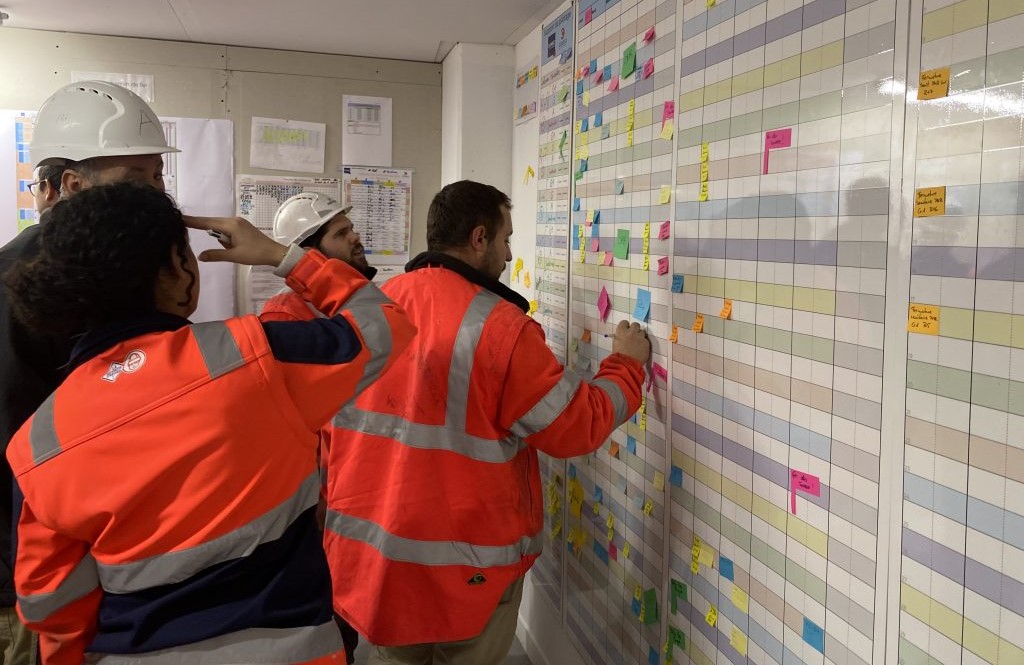
Detailed planning is the foundation of successful site tracking. A structured schedule covering tasks and their dependencies helps anticipate resource requirements and potential obstacles.
The plan should include firm deadlines and regular control points. This keeps tasks aligned with overall objectives, helps teams prioritize activities and makes it easier to adapt to unexpected situations without disrupting progress.
Project management software
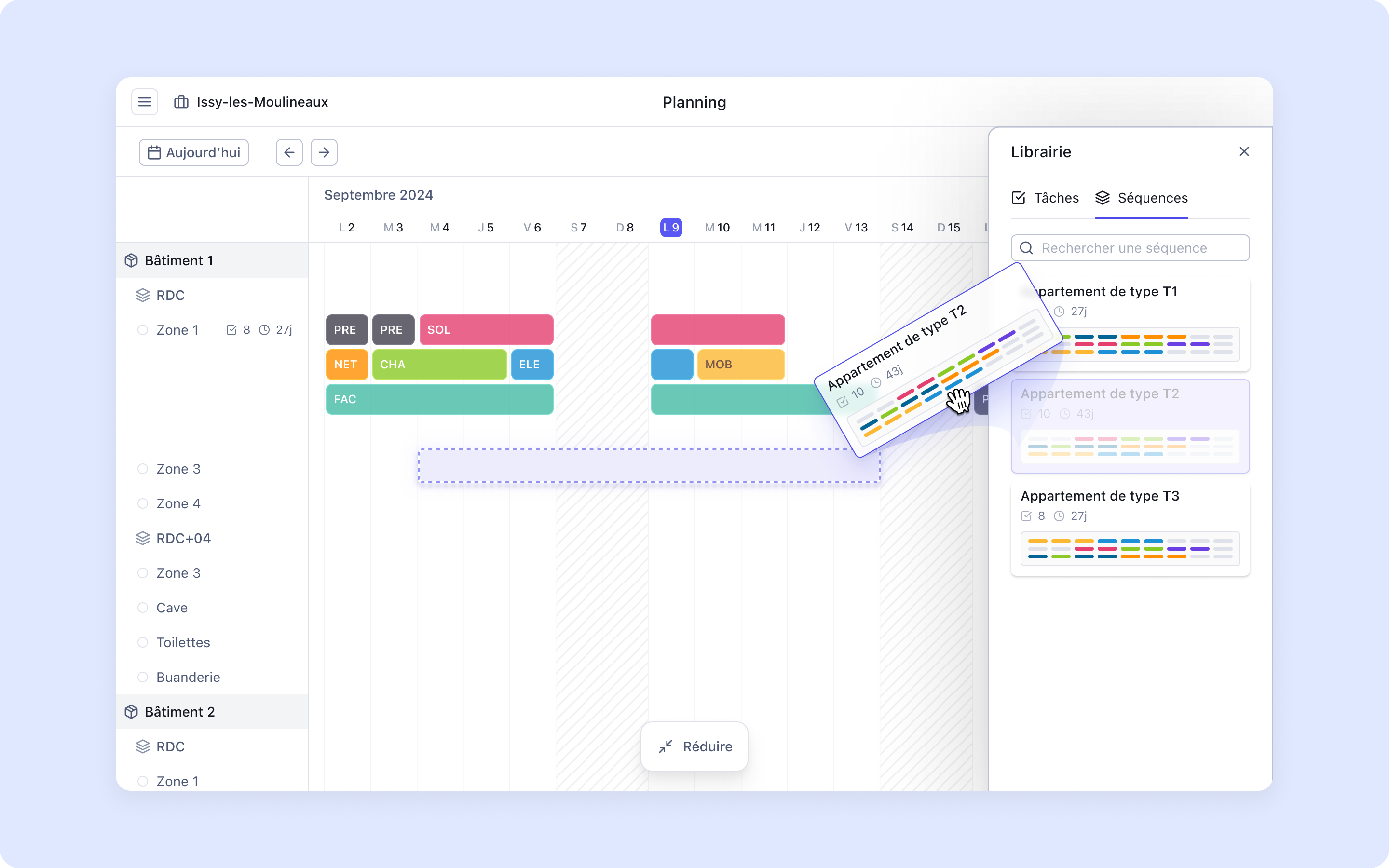
Project management applications are invaluable for tracking a construction project. They help plan, monitor and manage tasks throughout delivery. Popular options include Microsoft Project, Trello and Asana.
Microsoft Project supports detailed task scheduling, resource planning and reporting. Trello uses an intuitive board of cards to visualize work and progress. Asana provides collaborative features that help team members monitor tasks in real time.
Such solutions also offer shared calendars, deadline reminders and integrated communication. Centralizing information makes project management more transparent and efficient. Teams can assign work, monitor completion and check that activities are delivered on time.
Using technology in the field
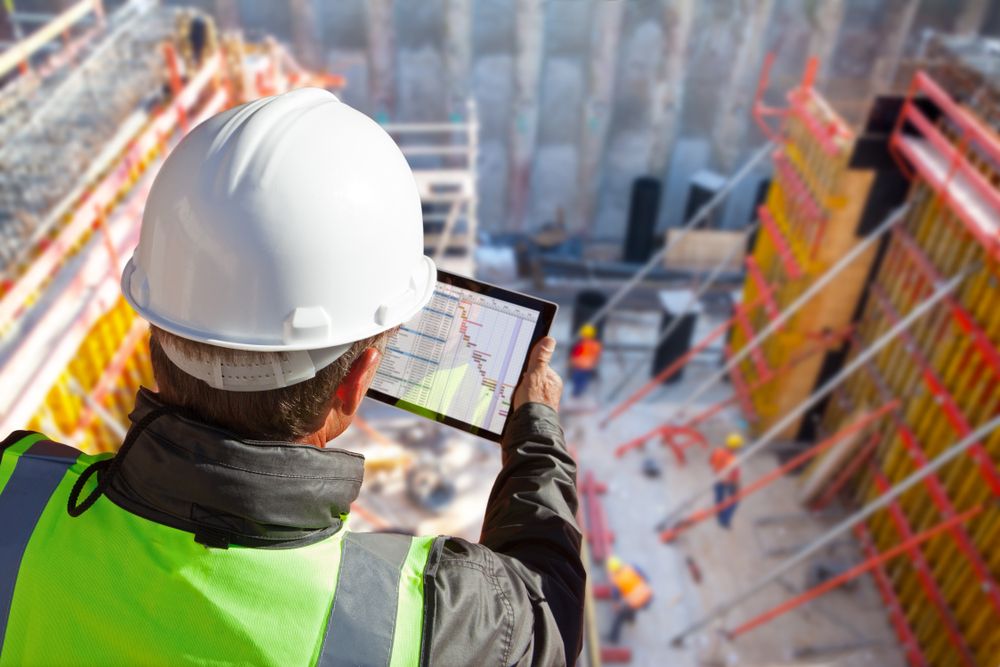
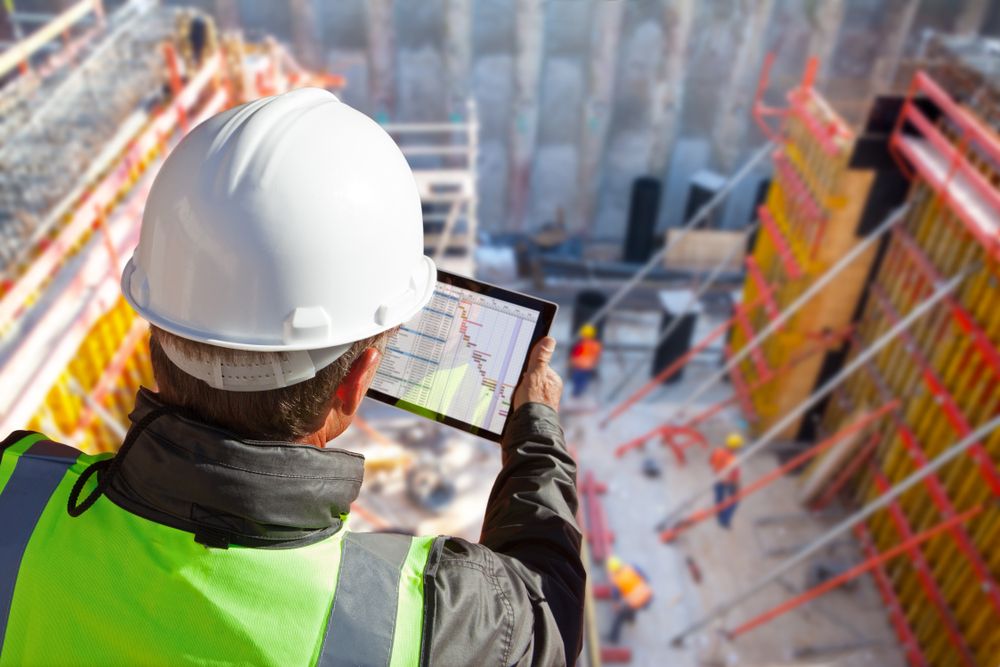
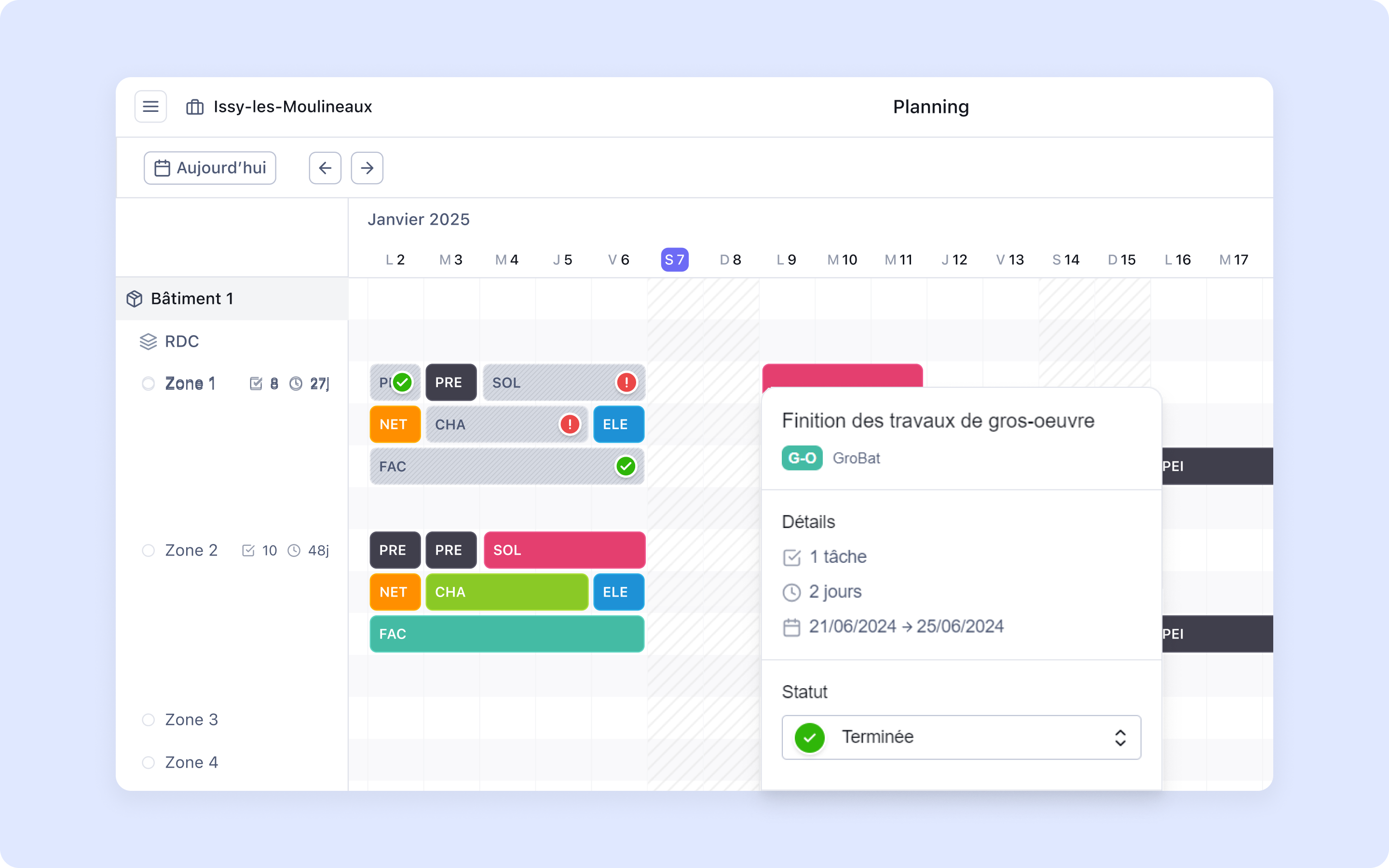
Technology significantly improves on-site progress tracking. Mobile apps and tablets enable teams to update task status directly from the site. Applications such as PlanGrid and Procore provide construction-specific features including drawing access, note-taking and issue tracking.
With these tools, workers can consult up-to-date drawings, photograph ongoing work and report problems immediately. This minimizes misunderstandings, reduces wasted time and speeds up issue resolution.
GPS technology and drones can also help monitor progress, take measurements and inspect areas that are difficult to access. These approaches improve inspection accuracy and allow discrepancies to be detected earlier.

Techniques for verifying task completion
Regular inspections and audits
Regular inspections and audits are essential for confirming that scheduled tasks have been completed. Inspections check work against drawings and quality requirements. They should take place at key project milestones so problems can be corrected before becoming more serious.
Audits provide a more thorough assessment of compliance with standards and regulations. They may cover safety, quality control and team performance. Inspection and audit results should be documented to track progress and corrective actions accurately.
Reporting and documentation
Detailed documentation and regular reports are critical to construction site monitoring. They record completed work, encountered problems and their solutions. Reports should address construction progress, resources used and whether deadlines have been met.
These records support daily monitoring as well as audits and inspections. They explain decisions, demonstrate progress and help communicate with stakeholders. Timesheets, site diaries and photographic reports are commonly used.
Case studies and best practices
Examples of successful site monitoring
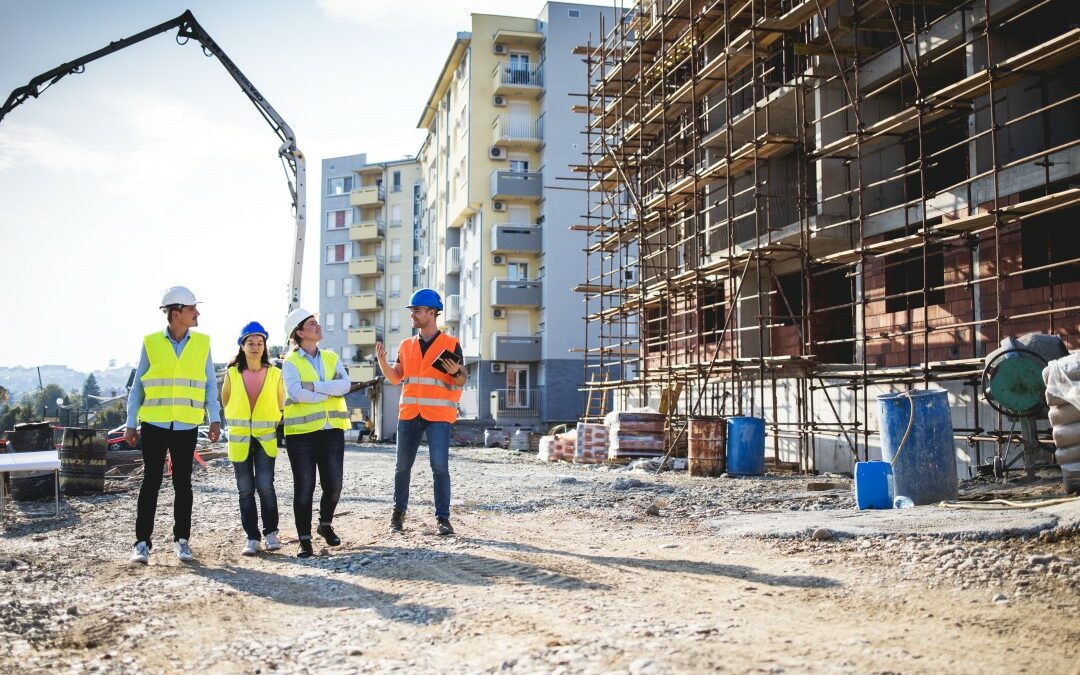
Consider a residential development where a team uses project management software and digital field tools to track tasks in real time, resolve issues quickly and respect deadlines. Such an approach can help deliver the project within budget and to the required quality standard.
Lessons learned and continuous improvement
Lessons from previous projects improve future practices. During the renovation of a historic building, for example, a team may face unexpected structural challenges. Documenting the problems and their solutions helps adapt methods for similar projects. Continuous improvement reduces repeated mistakes and strengthens future project management.
Conclusion
Effective construction progress tracking combines project management software, field technology, regular inspections and accurate documentation. Together, these practices help verify task completion and deliver projects to schedule, within budget and to the required quality standards.
Take action
Adopt the tools and practices discussed here to improve your site monitoring. Use management software and modern field technology, maintain accurate records and invest in ongoing training and innovation. These steps will help your teams deliver successful projects and respond more effectively to on-site challenges.
Get started with Toolkit.

15-day free trial